An older PC makes an excellent platform for running a Bitcoin node. Refurbished business desktops such as the HP Prodesk 600 G2 Mini and Lenovo ThinkCentre Tiny are both good candidates. They can usually be found at a reasonable price on the second-hand market.
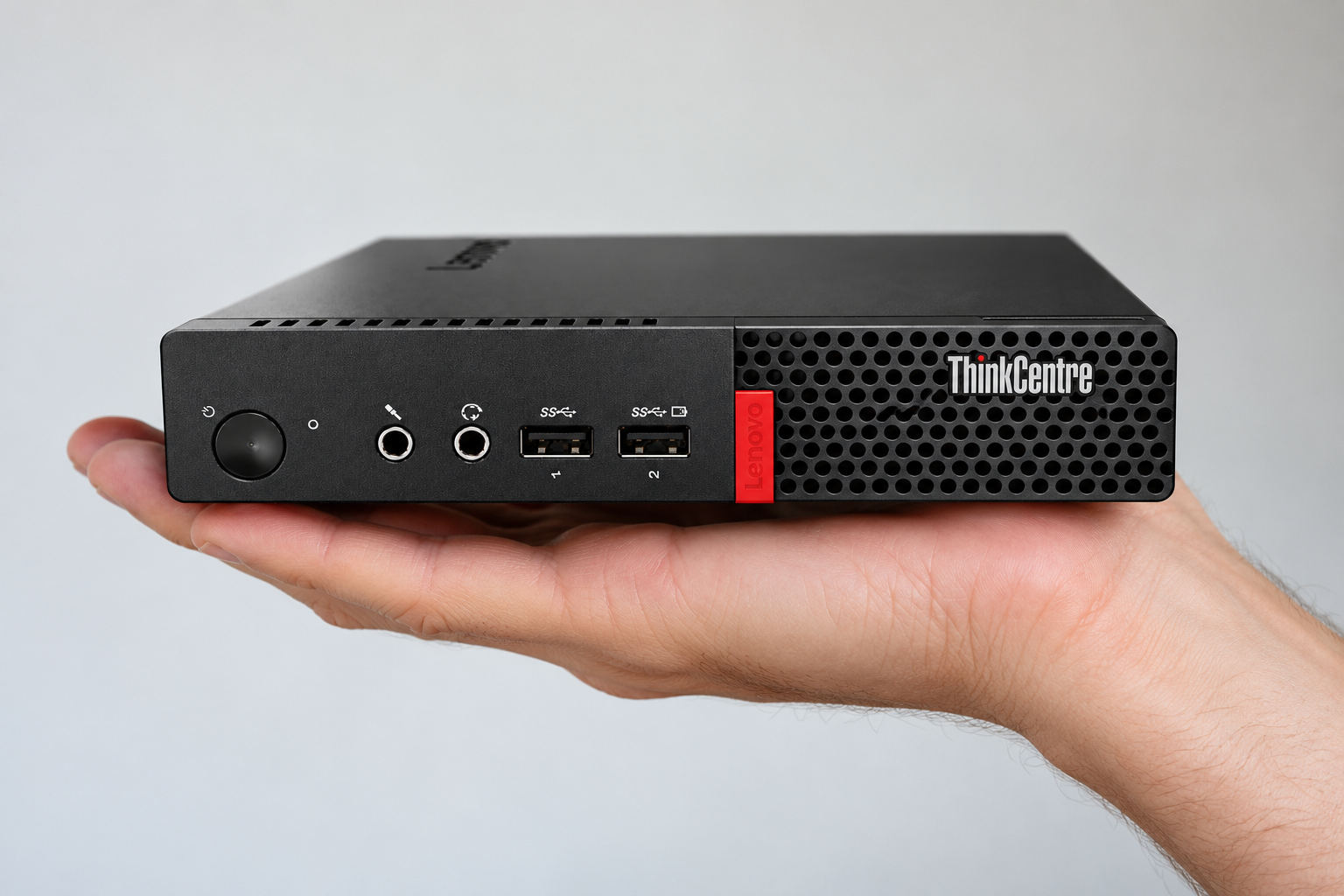
These refurbished PCs generally offer better performance and value for money than the Raspberry Pi or the Nodl One or Nodl Two hardware.
An archival Bitcoin node retains all the historical blockchain data, the complete chain. It therefore requires considerable disk storage, adding significantly to the cost. A 2 TB SSD can cost several hundred Australian dollars.
A pruned Bitcoin node only stores the most recent blockchain blocks and requires a much smaller storage disk, reducing the cost considerably.
A pruned node still independently validates the entire blockchain and enforces Bitcoin’s consensus rules. But unlike a full archival node, it cannot provide historical blocks to other nodes or applications.
Those who can afford it should run an archival node. If you want to connect your Bitcoin wallet privately to your own node an archival node is generally required. If you want to run a Lightning node, an archival node is preferable.
But running a pruned node still makes a valuable contribution to securing the Bitcoin network.
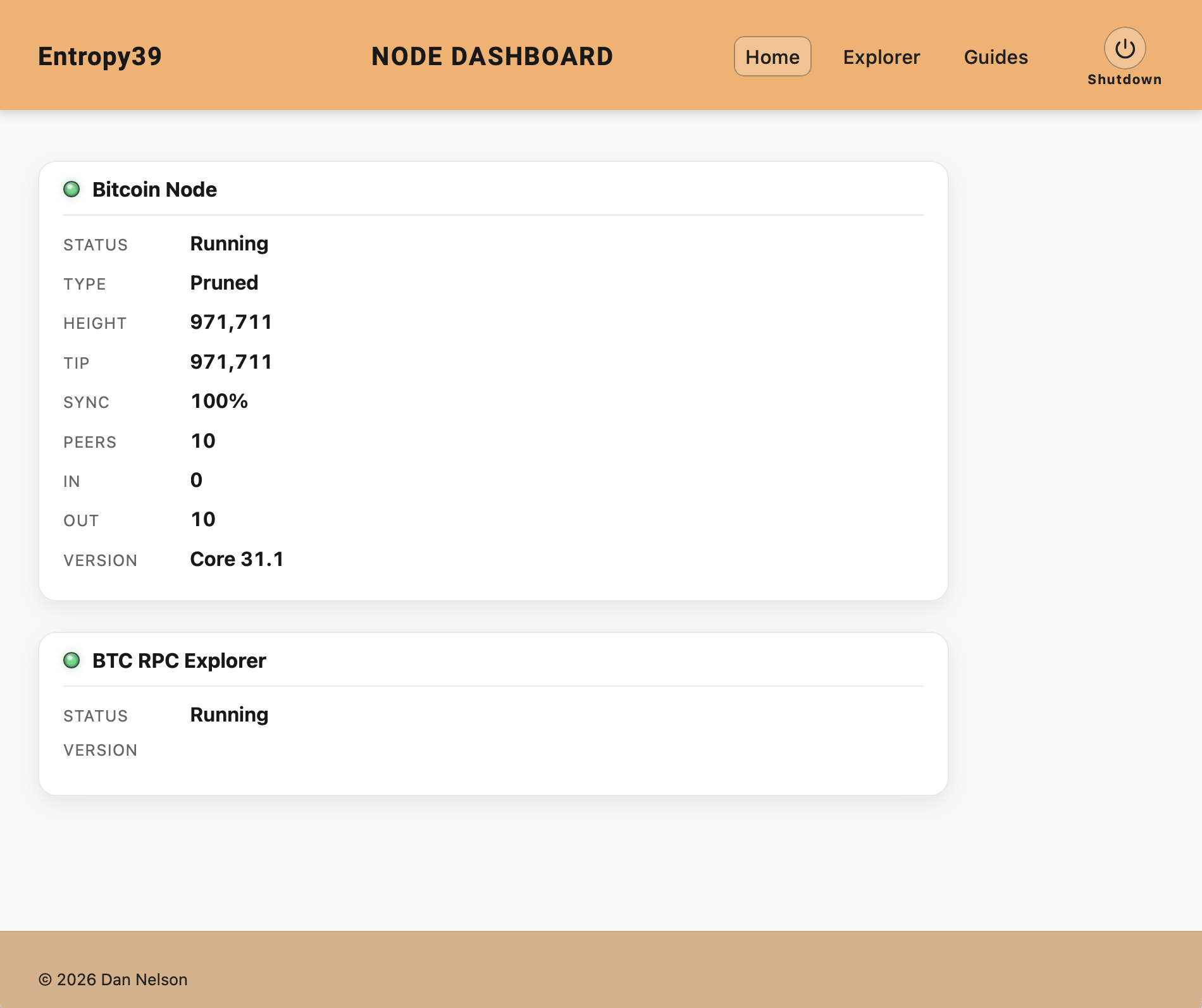
Entropy39 Dashboard running on a pruned node with BTC RPC Explorer.
BTC RPC Explorer
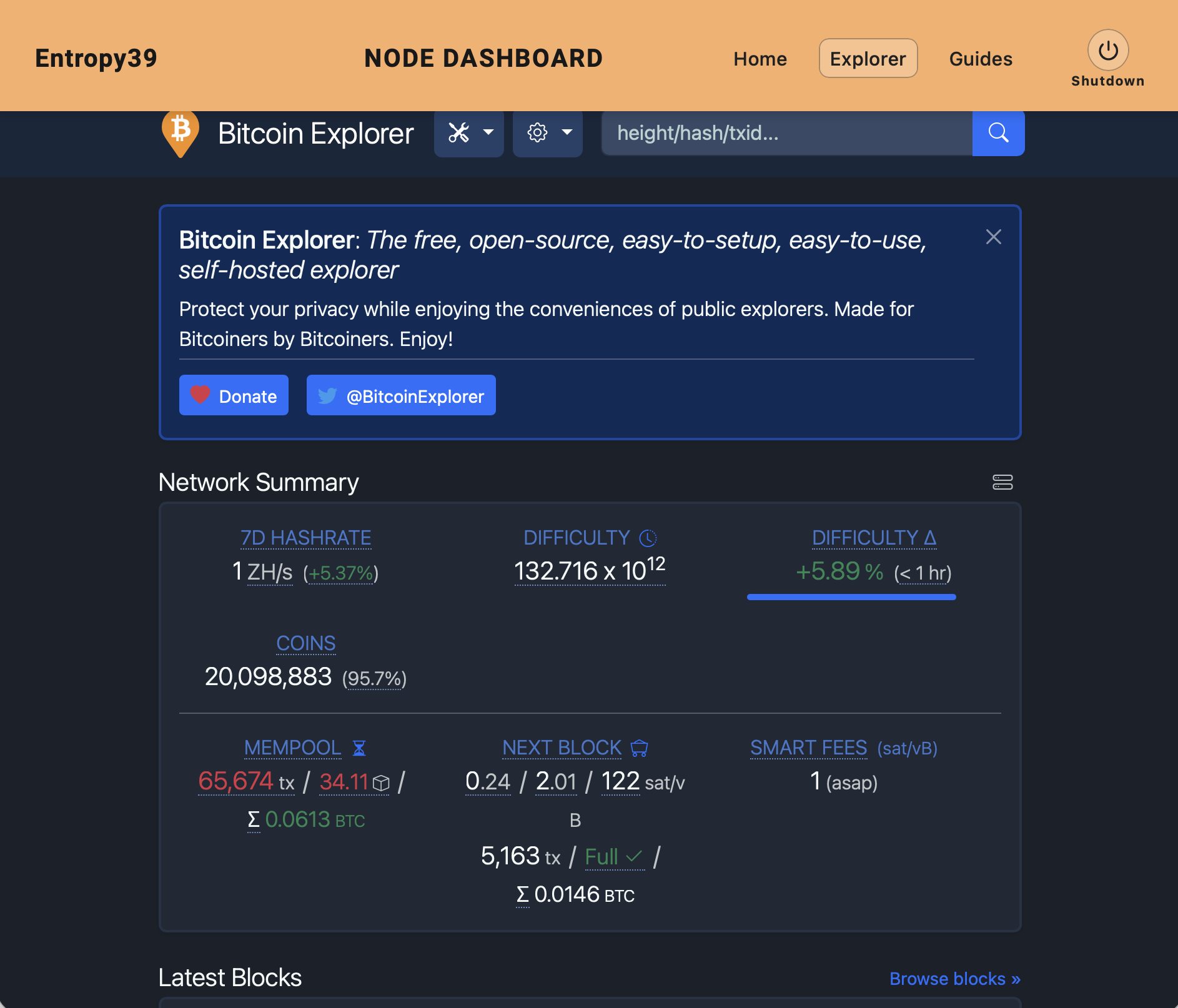
Here is a link to an online demo of the Entropy39 Dashboard on a full archival Bitcoin node.